| MembershipMembership is open to anyone interested in beekeeping and connecting with local Michigan beekeepers. |
October 18 Membership Meeting!Overwintering Hives4:00–5:30 PM MSU Tollgate Farm and Education Center, Novi, Michigan Meet Our Guest Speaker: Gale MooreWe're excited to welcome Gale Moore, an experienced beekeeper with more than 19 years in beekeeping and approximately 100 colonies across two apiaries. Gale is the current president of the Owosso Bee Club and has been actively involved with beekeeping organizations throughout Mid-Michigan. Gale has served in leadership roles with multiple clubs, serves on the Michigan Honey Festival Board, and shares his knowledge through educational programs for local beekeeping groups and conservation organizations. This Month's Topic: Overwintering HivesMichigan winters can be tough on honey bee colonies. Join Gale for a practical discussion about preparing colonies for cold weather and improving their chances of making it through winter. Whether you're managing your first hive or have years of experience, this is a great opportunity to learn from an experienced Michigan beekeeper and connect with fellow members. This presentation is FREE, and friends and guests are welcome! We'll also discuss SEMBA's membership meeting schedule for 2027 and plans for our Spring SEMBA Conference. We hope to see you there! |
|

EducationBeekeeping School is a ten month course introducing you to the biology of the honey bee, sustainable beekeeping practices, and honey extraction |
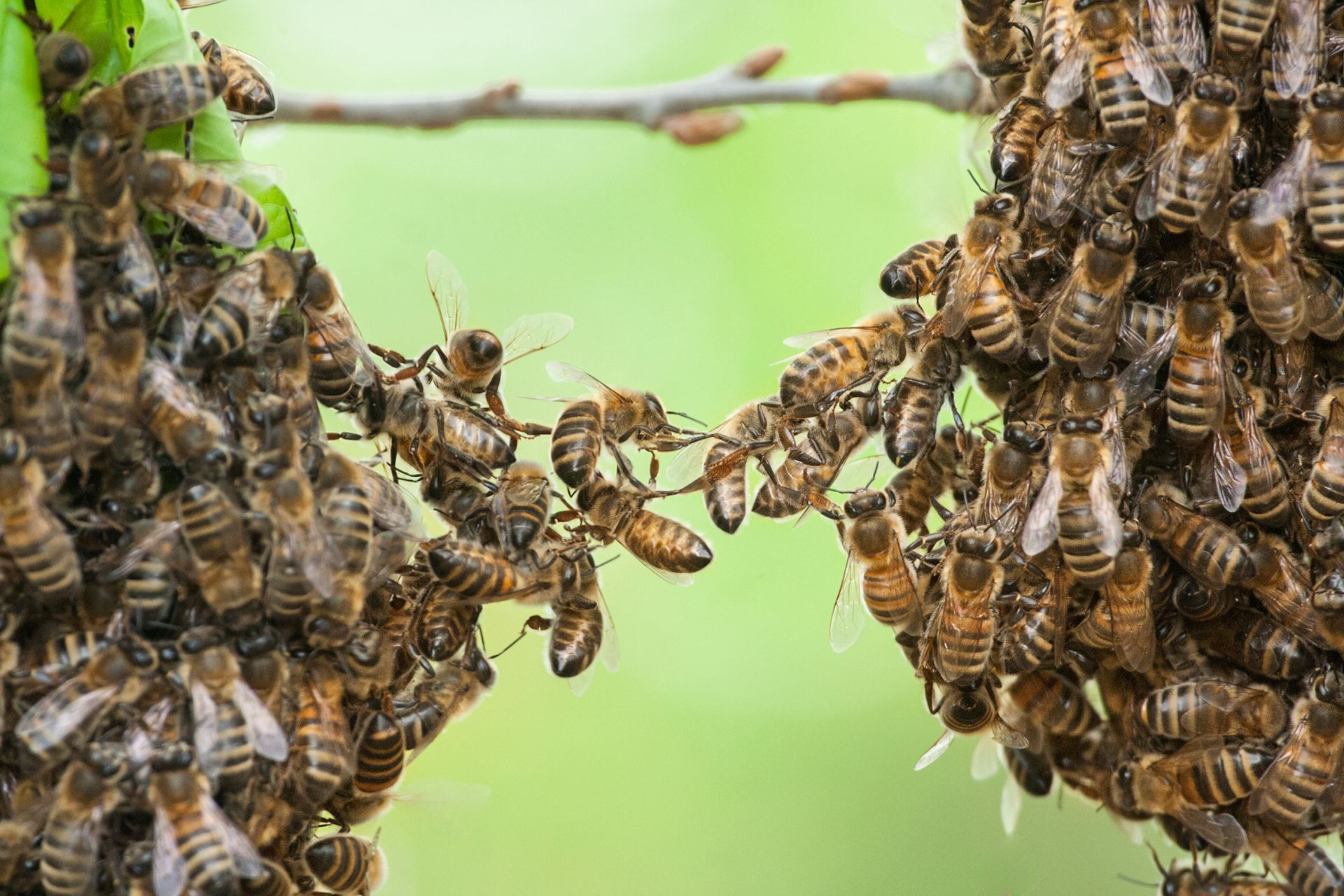
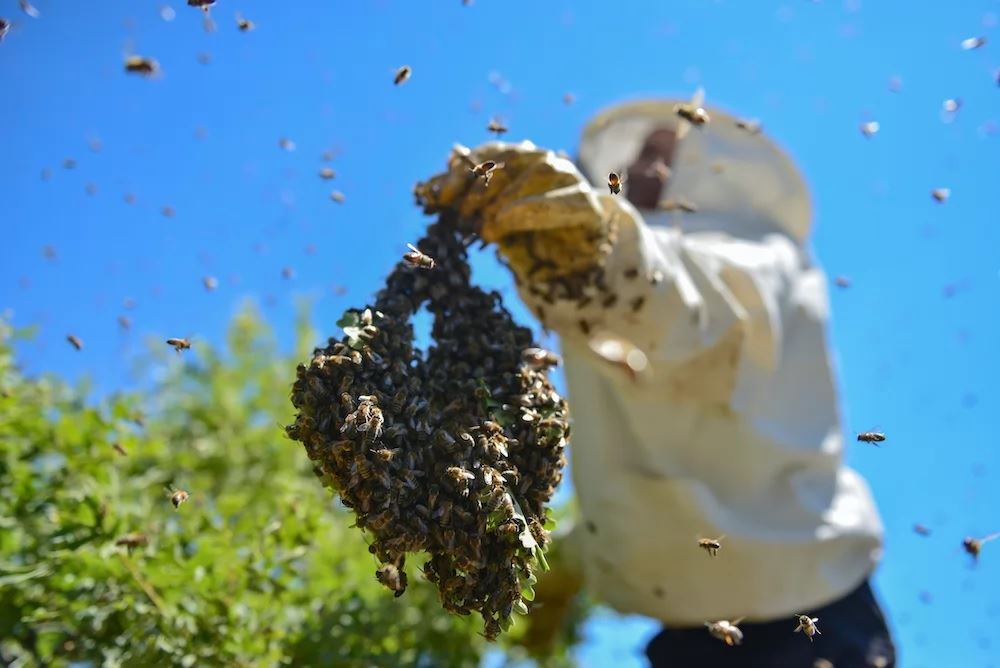
Reporting a swarmThousands of honey bees have just invaded your property or adjacent area and have now settled in a large clump on a tree, a fence or on some other object. The mass of bees, called a swarm, may be as small as a softball or larger than a basket ball. You may feel terrified and think that your family is in great danger and you want them removed as soon as possible. The questions and answers in the link below may help you understand the nature of swarming, how to remove the problem and also help a beekeeper save the honeybees. | BEES IN THE WALL or treeEvery year beekeepers are called upon to give advice regarding the removal of honey bees (and other insect pests) from homes and buildings. Such advice is difficult to give because each case requires first hand information, and no two responses are alike. The following information is designed to give guidance about what needs to be done to accomplish honey bee nest removal and what considerations should be given when choosing a course of action. | Swarm Removal
The SEMBA swarm list is posted at the link below. For any questions or concerns you can contact SEMBA at sembabees.info@gmail.com
|
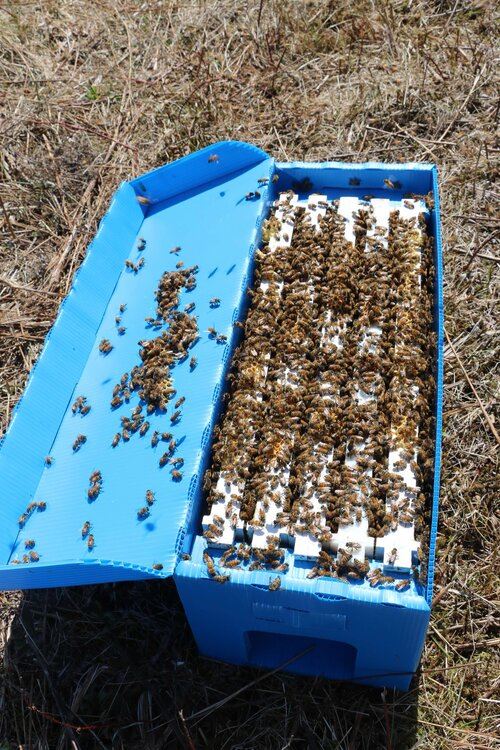
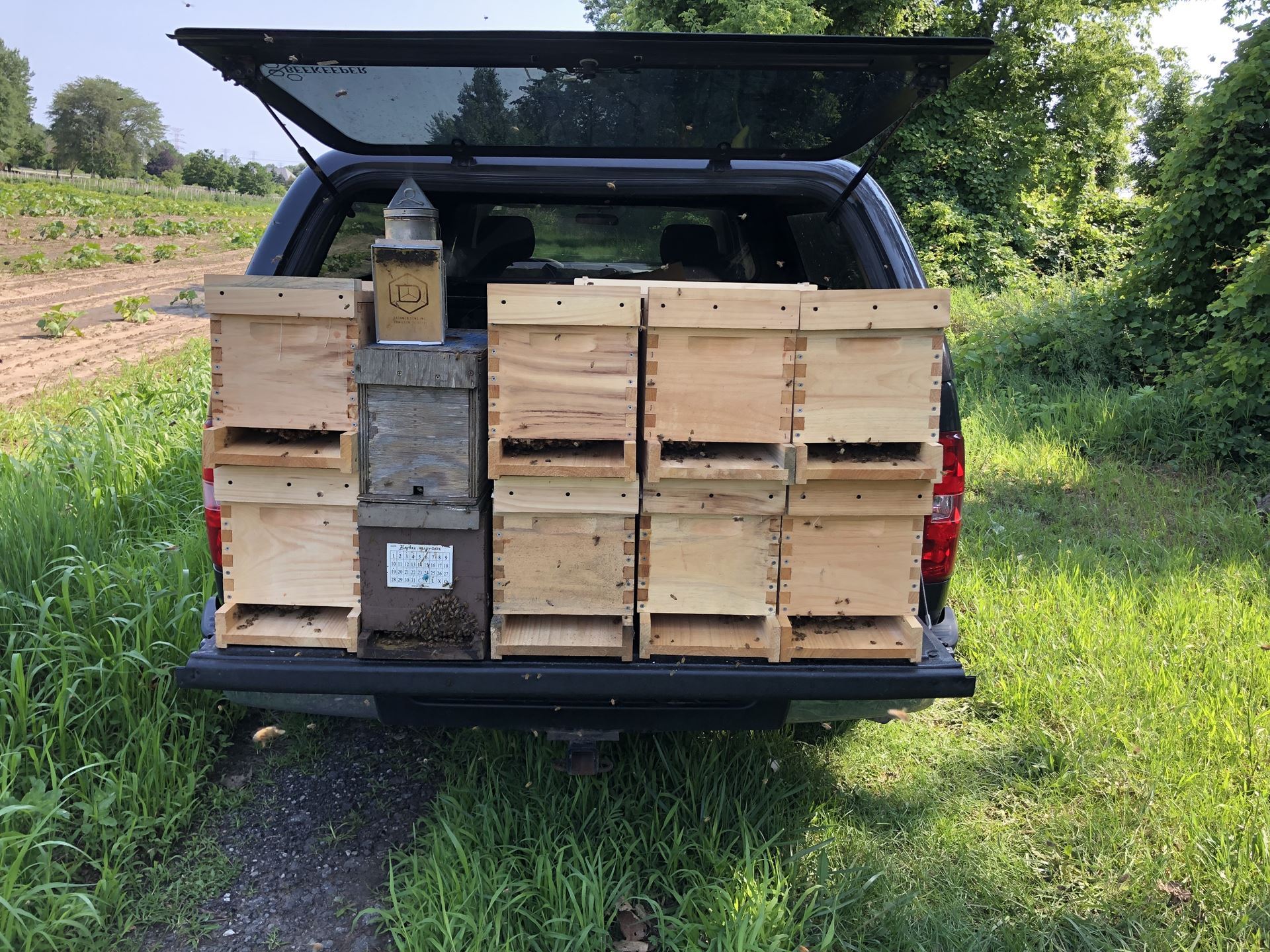
| Buy Local Honey Bees!To encourage sustainable beekeeping, SEMBA encourages our members and the public to purchase honey bees from local beekeepers. You can find local bees for sale at the Northern Bee Network website. Sustainable beekeeping using late season nucs by Dr. Megan Milbrath Beginning Beekeeping: Installing a nuc by MSU Beekeeping |

As you may know, most pesticides can pose a risk to humans and animals. For this reason, ConsumerNotice.org has published a free guide with organic, homemade, and agricultural alternatives. You can check out the guide here: Read More |
|