|

EducationBeekeeping School is a ten month course introducing you to the biology of the honey bee, sustainable beekeeping practices, and honey extraction The 2026 Bee School Registration IS OPEN! |
2026 SEMBA Spring Conference Saturday, March 14, 2026 8:00 AM - 4:30 PM Join fellow beekeepers for a day of learning, networking, and community. Whether you’re a beginner or seasoned beekeeper, you’ll find valuable sessions, hands-on tips, and fresh ideas to take into the new season. Other Highlights include: Expert speakers on colony health, queen management, and honey production Seasonal workshops: spring build-up, swarm prevention, and pollinator plants Vendor booths with beekeeping equipment and local products Networking opportunities with beekeepers from across Michigan and beyond Come get inspired, share your passion, and kick off the spring season with buzzing energy! Additional Info: Boxed Lunches are available for purchase up until a week prior to the event date. Vendors: Local beekeeping supply vendors will be available throughout the day. Pre-order SEMBA T-shirts: shirts will be ready for pickup at the registration desk Don’t miss out to secure your spot and join us for an unforgettable event filled with learning, fun, and networking! The conference schedule and vendors will be announced soon! Registration Links below! |
Keynote Speaker: Scott McArt - assistant professor of pollinator health in the Department of Entomology at Cornell University McArt’s main research interests are ecotoxicology, disease ecology, community ecology, and chemical ecology. His lab is focused on understanding how pesticides, pathogens, and habitat impact the health of honey bees and native wild pollinators. All registered 2026 Beekeeping School students get free admission to the conference!! |

| MembershipMembership is open to anyone interested in beekeeping and connecting with local Michigan beekeepers. |
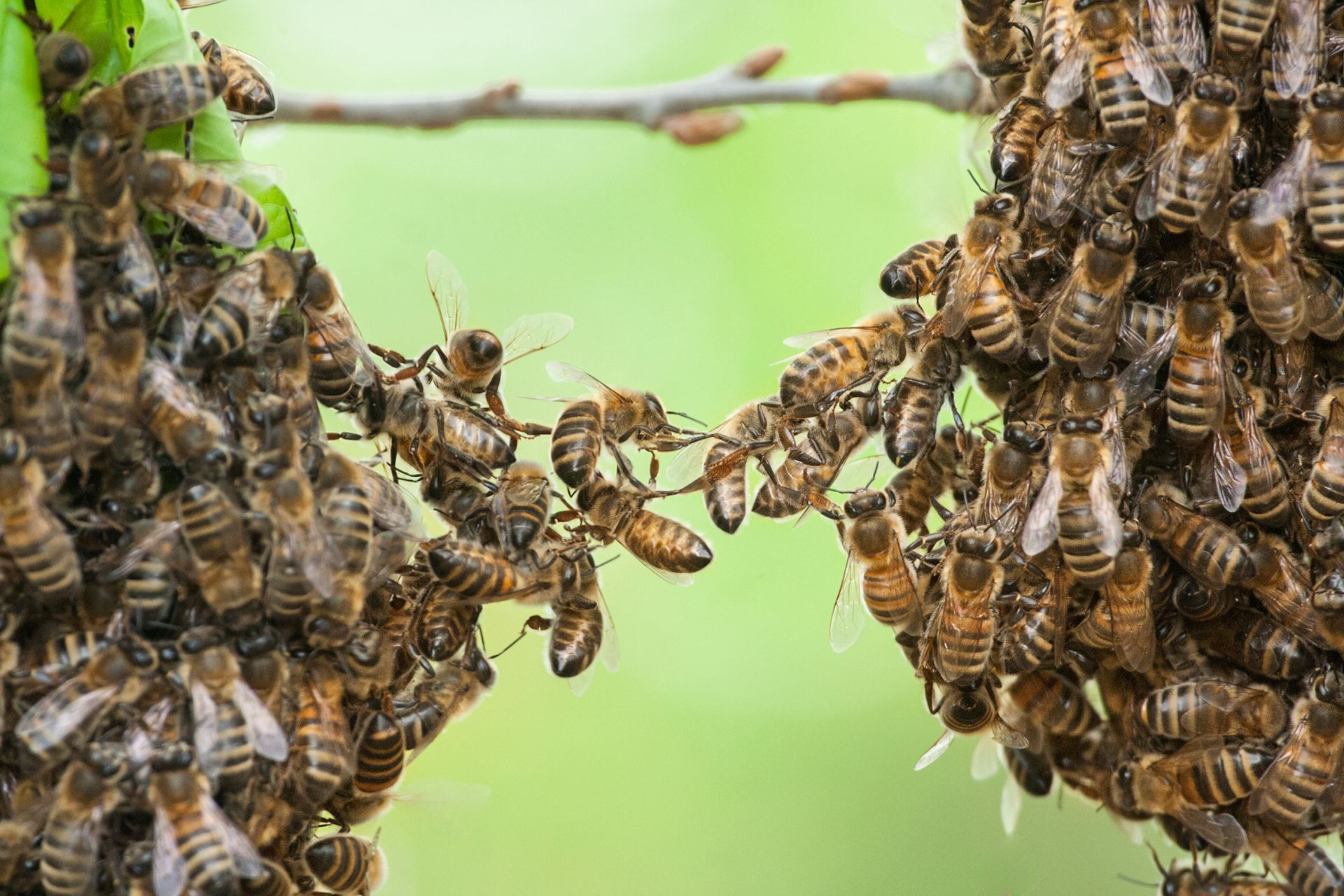
Reporting a swarmThousands of honey bees have just invaded your property or adjacent area and have now settled in a large clump on a tree, a fence or on some other object. The mass of bees, called a swarm, may be as small as a softball or larger than a basket ball. You may feel terrified and think that your family is in great danger and you want them removed as soon as possible. The questions and answers in the link below may help you understand the nature of swarming, how to remove the problem and also help a beekeeper save the honeybees. | BEES IN THE WALL or treeEvery year beekeepers are called upon to give advice regarding the removal of honey bees (and other insect pests) from homes and buildings. Such advice is difficult to give because each case requires first hand information, and no two responses are alike. The following information is designed to give guidance about what needs to be done to accomplish honey bee nest removal and what considerations should be given when choosing a course of action. | Swarm Removal
The SEMBA swarm list is posted at the link below. For any questions or concerns you can contact SEMBA at sembabees.info@gmail.com
|
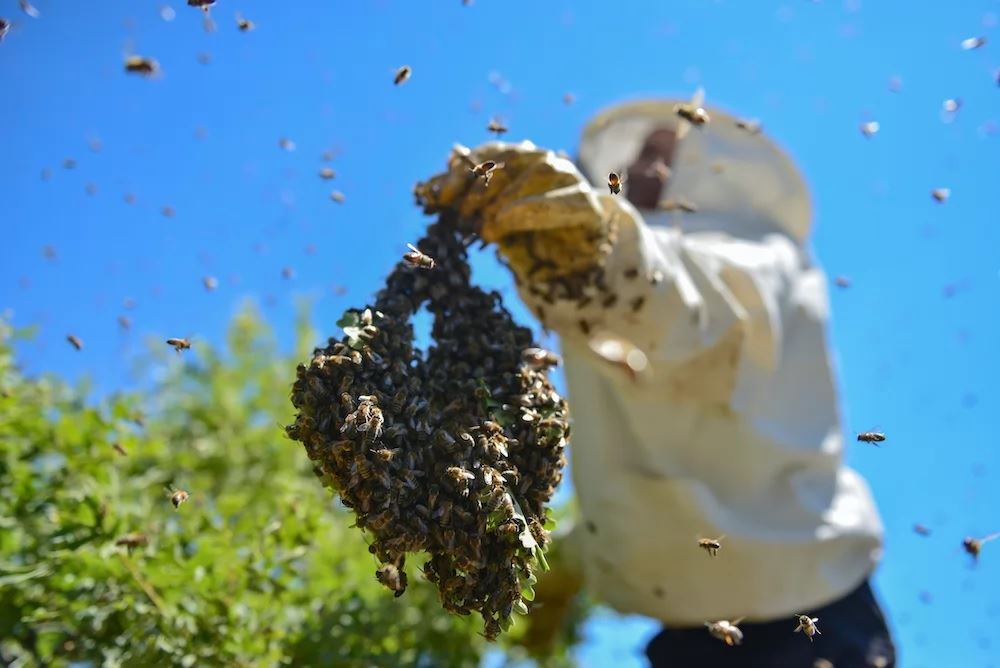
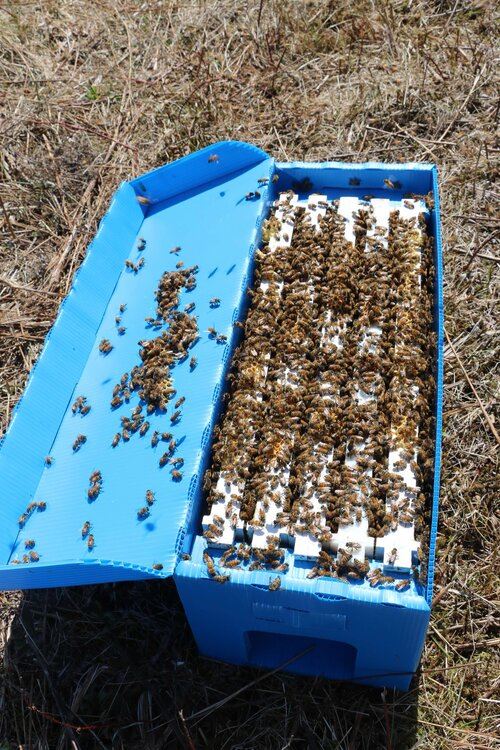
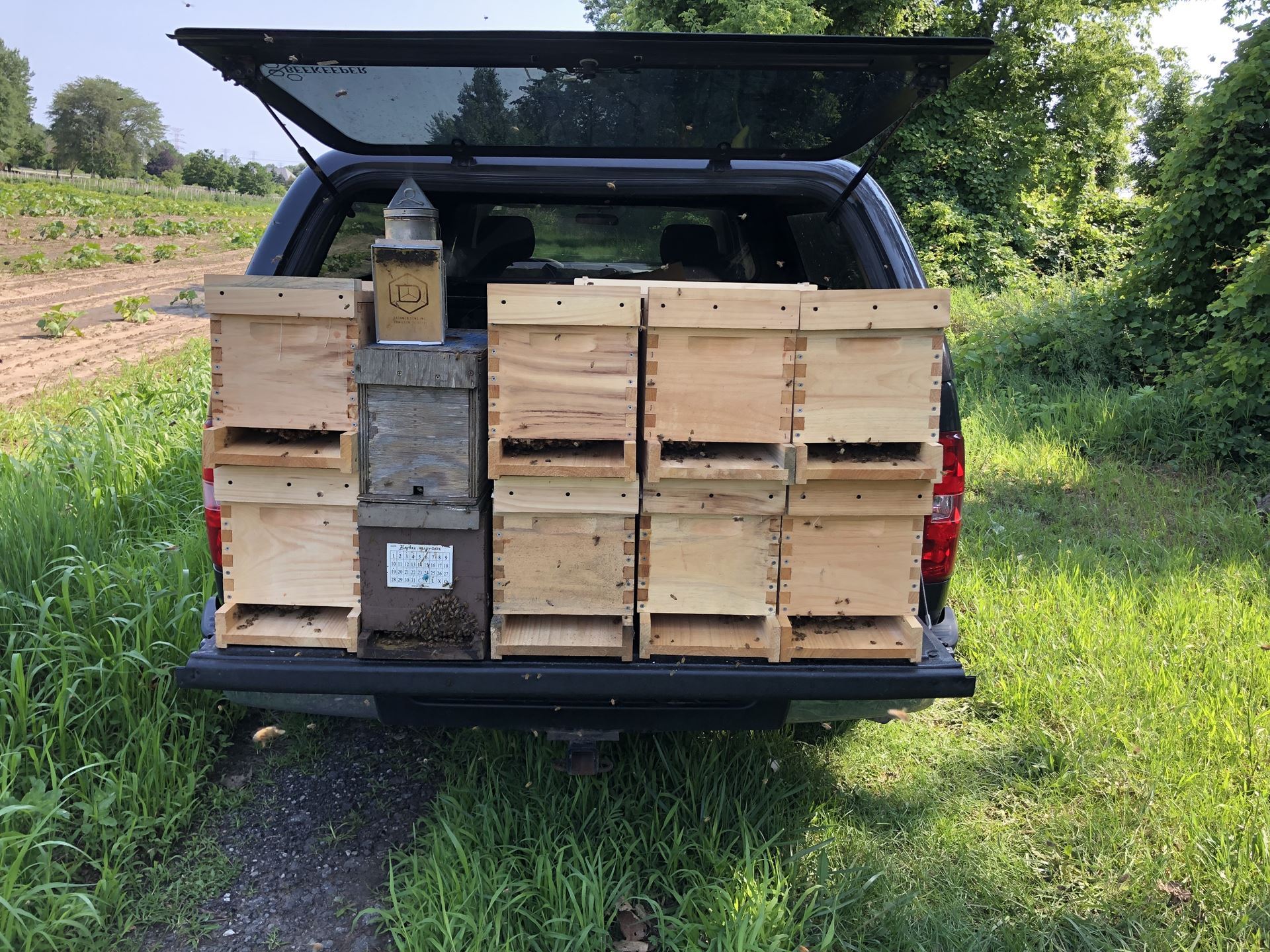
| Buy Local Honey Bees!To encourage sustainable beekeeping, SEMBA encourages our members and the public to purchase honey bees from local beekeepers. You can find local bees for sale at the Northern Bee Network website. Sustainable beekeeping using late season nucs by Dr. Megan Milbrath Beginning Beekeeping: Installing a nuc by MSU Beekeeping |

As you may know, most pesticides can pose a risk to humans and animals. For this reason, ConsumerNotice.org has published a free guide with organic, homemade, and agricultural alternatives. You can check out the guide here: Read More |
|